Reading
Reading at Hethersett VC Primary School
Our vision is to create fluent, confident, and passionate readers who can use their skills to unlock the world around them.
We believe reading is:
- Central to learning, giving access to the full breadth of the curriculum
- A source of joy, inspiring curiosity and imagination
- A lifelong skill, essential for success beyond primary school
Our Approach
We aim to:
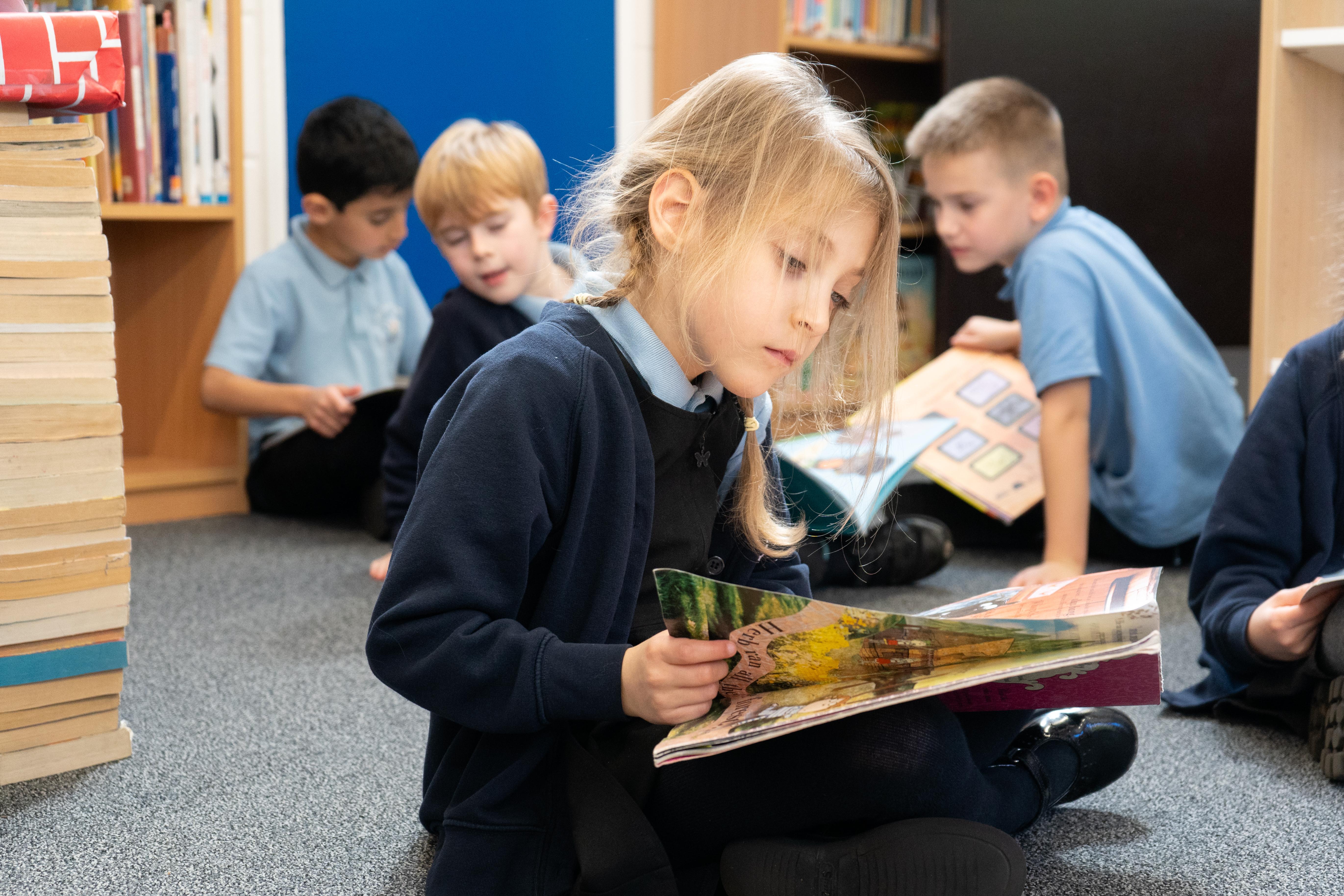
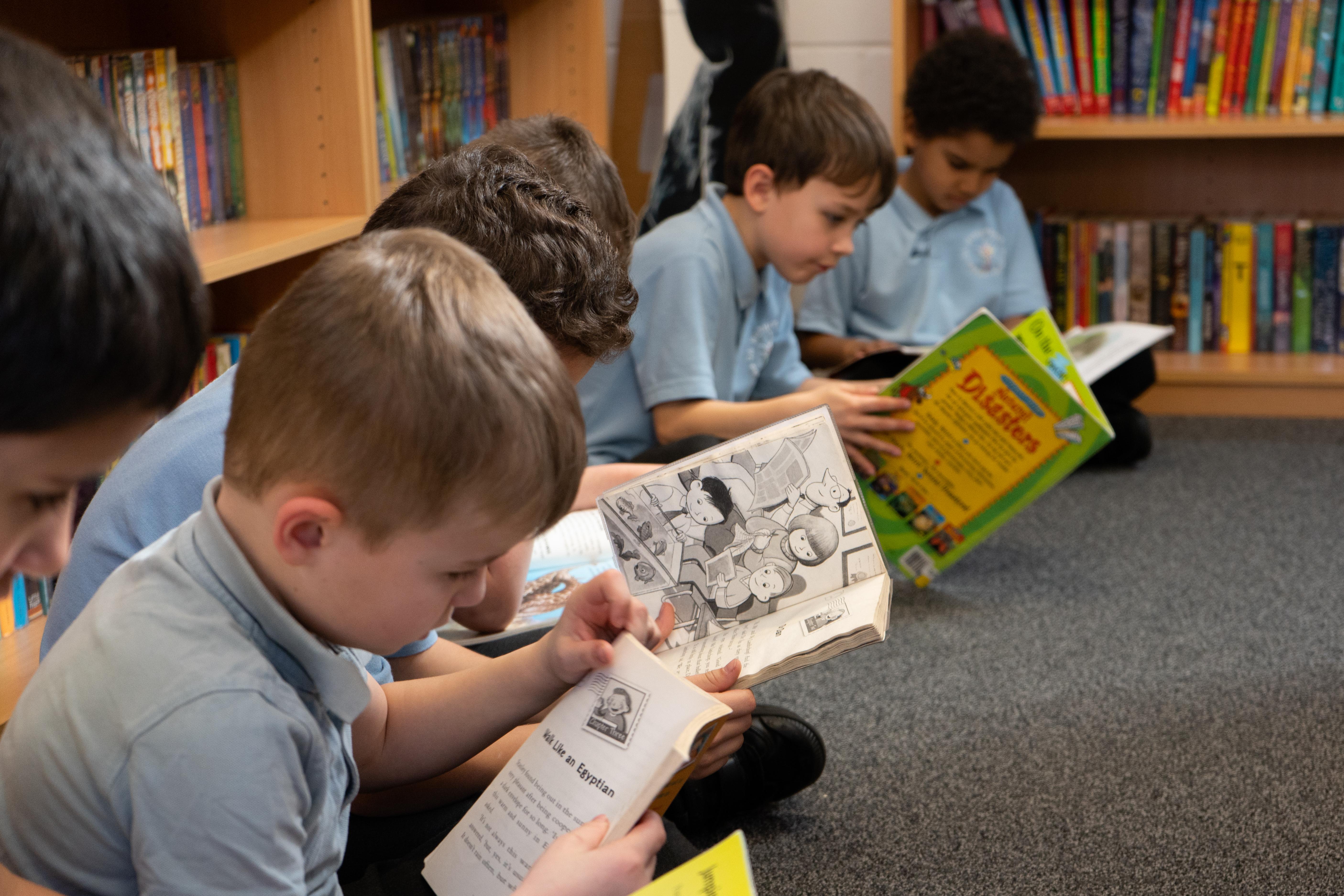
- Develop a love of books, through a well-resourced library and rich classroom environments
- Build independence and fluency, enabling pupils to read for meaning and enjoyment
- Expose children to a wide range of texts, including fiction, non-fiction, poetry, and more
In Foundation and Key Stage 1, phonics is taught daily using the Little Wandle scheme, helping pupils to segment, decode, and blend words. As they progress, children learn to comprehend, infer, and interpret increasingly complex texts.
What Reading Looks Like
-
Structured lessons twice a week, focusing on VIPERS skills: Vocabulary, Inference, Prediction, Explanation, Retrieval, and Sequencing
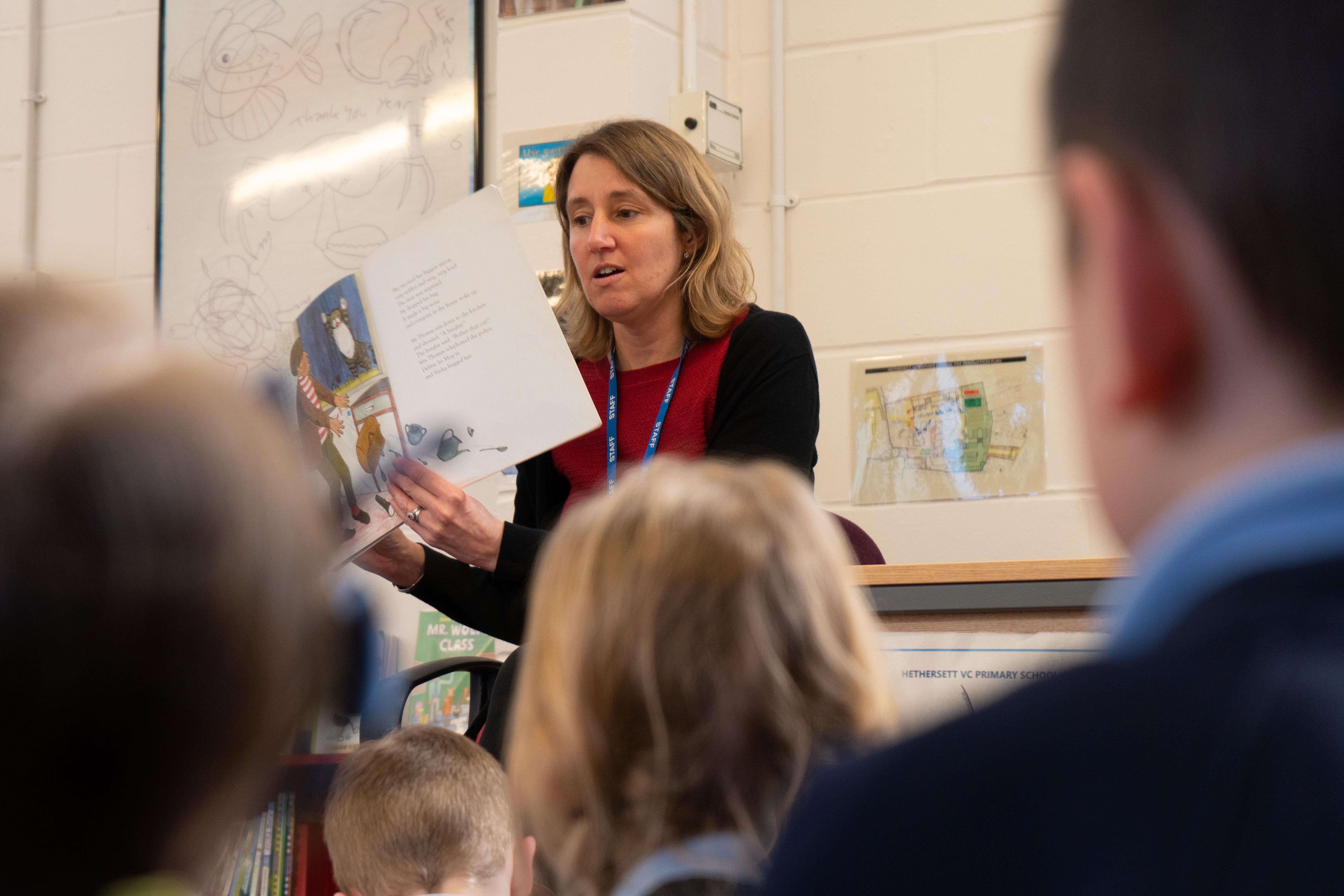
- Teacher modelling, showing how skilled readers take meaning from texts
- Discussion and reasoning, encouraging pupils to explain and justify their ideas
Our goal is for every child to become a fluent, expressive, and enthusiastic reader, ready to embrace the world of books and beyond.
Reading for pleasure
We know that reading at home is an essential part of children becoming excellent readers and because of this, children have a wide range of fiction and non-fiction books to choose from for home reading. It is this choice that ensures children continue to be enthusiastic and independent readers. Children are encouraged to read regularly at home, at least three times a week, from Foundation to Year 6. Children’s individual reading records are an important source of communication between home and school and it is vital that these are signed to indicate how often the child has read.
Our school library
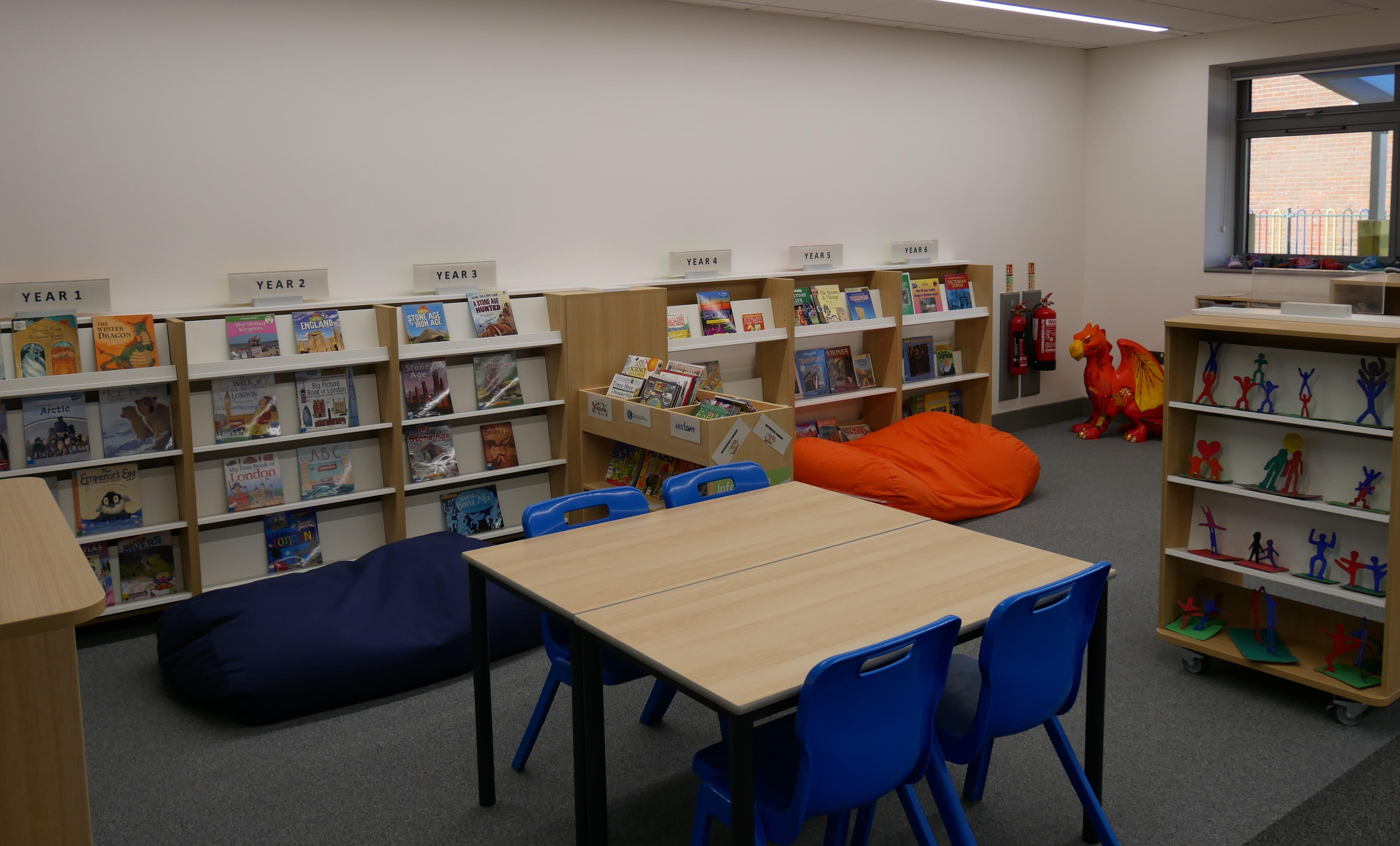
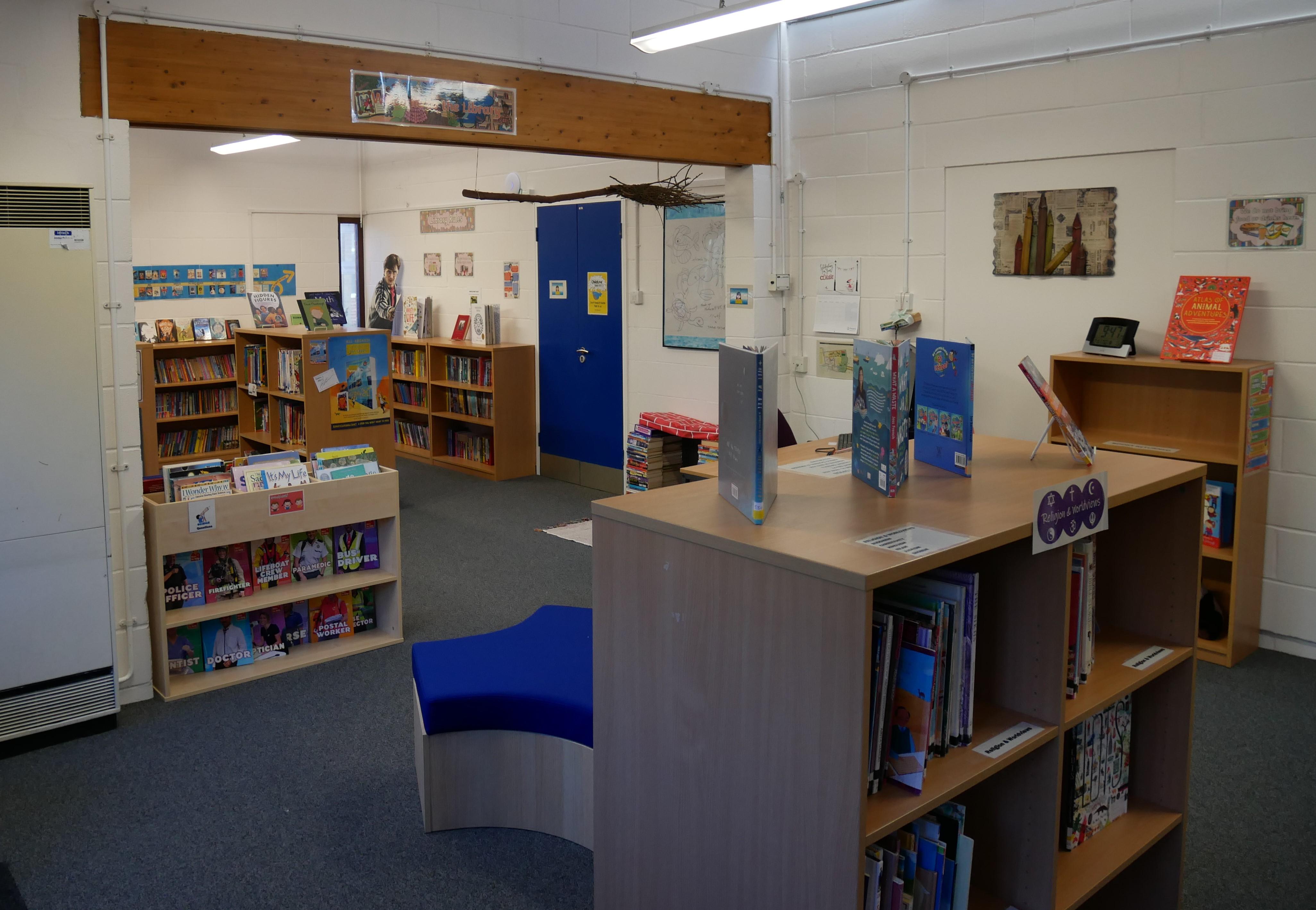
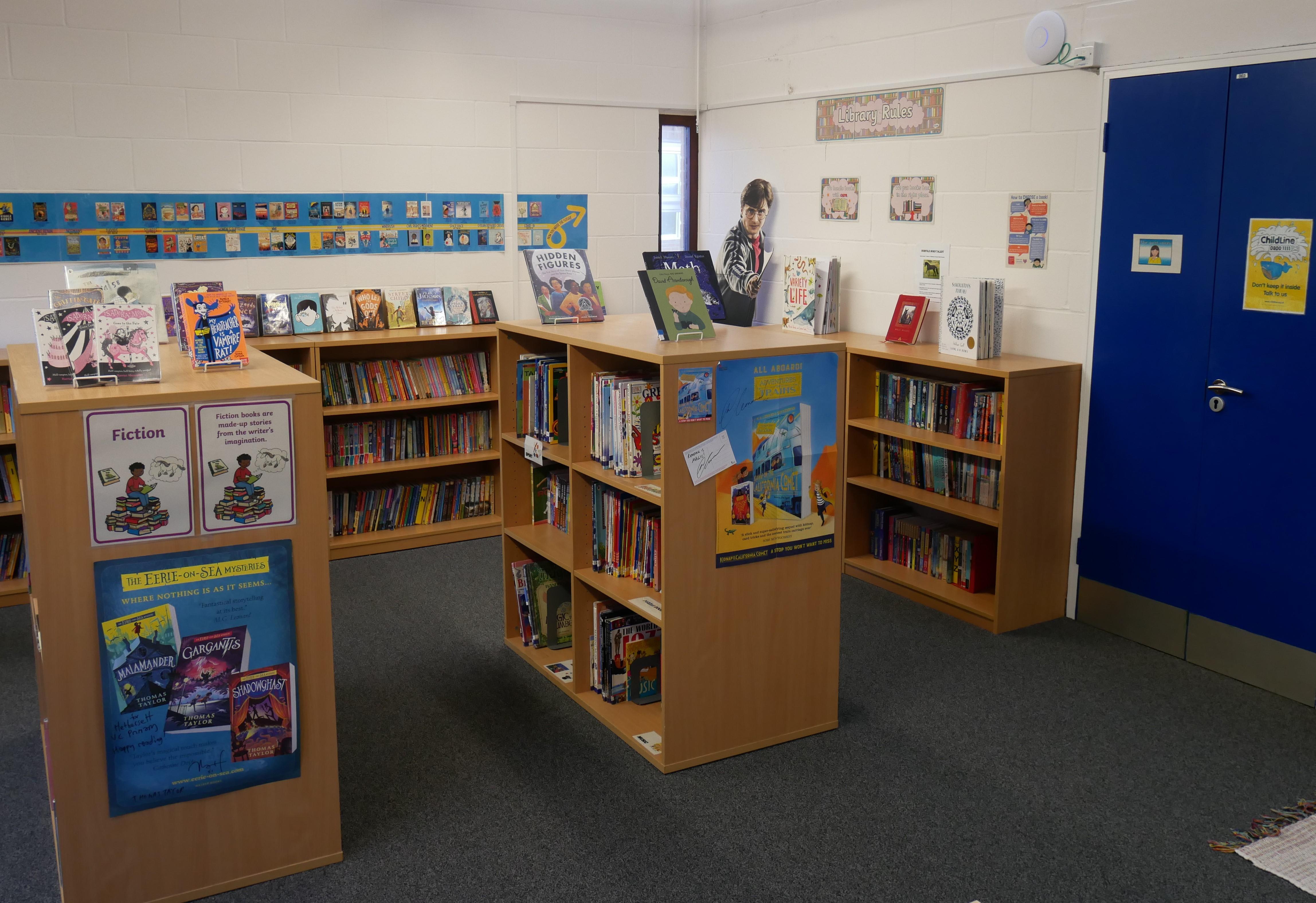
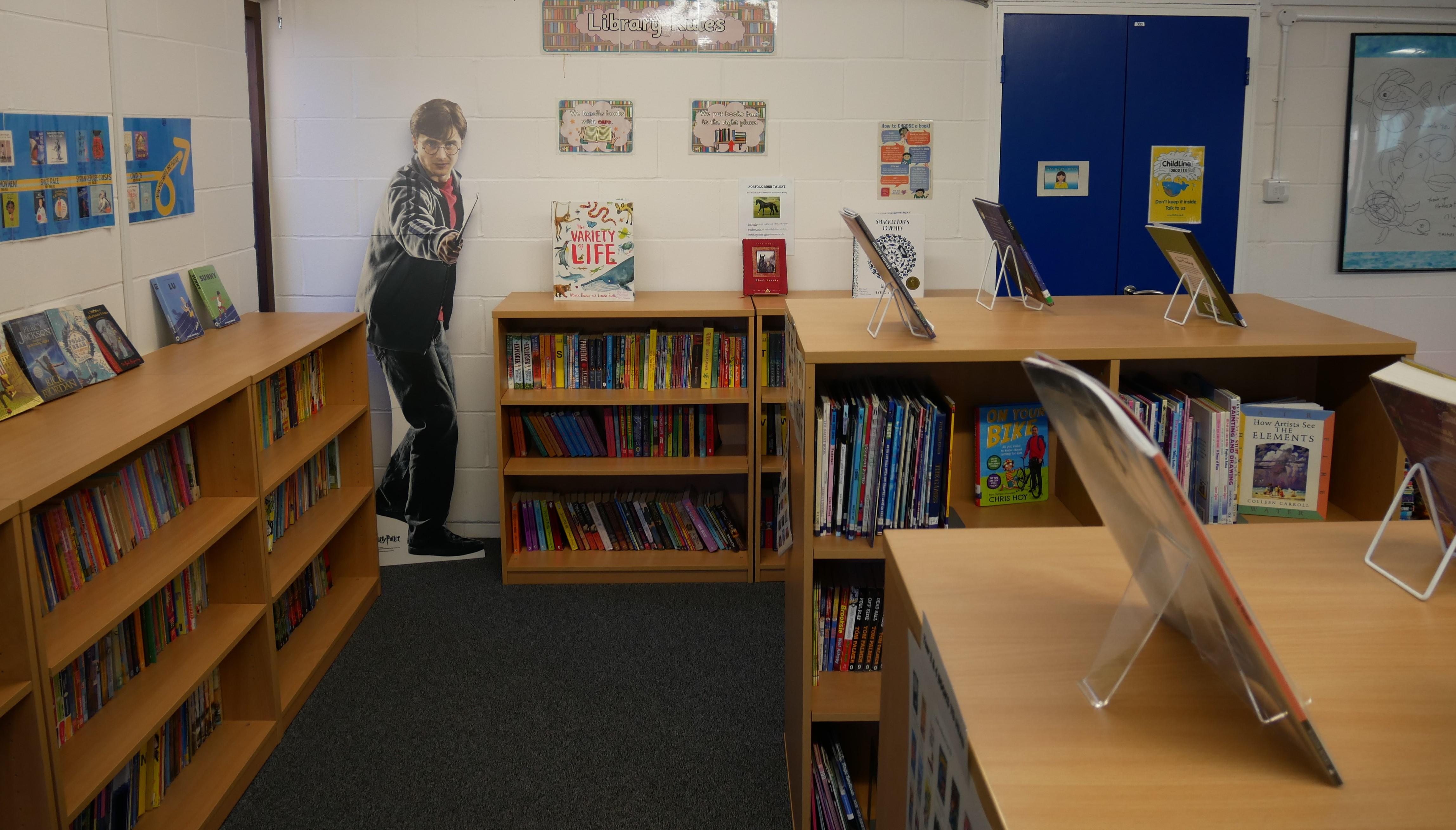
We are working hard to keep our library up to date with high quality texts for both fiction and non-fiction. Our aim is to provide pupils with a variety of high quality texts which they are able to access and select independently for their own enjoyment. Please browse some of our suggested reads for our pupils.
Tips for reading at home
- Keep sessions short.
- Keep sessions relaxed – find a comfortable place where you and your child can settle down.
- Give lots of praise, progress may not always be fast – children do not always find the skill of reading and understanding easy to grasp.
- Talk about the book before you begin to read – look at the front cover, and the pictures (if any) and ask your child to think about or predict what the book may be about.
- Ask questions to check your child’s understanding e.g. What might happen next? Why did something happen?
- Talk about the book afterwards – did your child enjoy it? Why? What was the best bit?
- If your child struggles over a particular word, try to find ways to help them remember it e.g. by looking at the ‘shape’ of the word, or by guessing the word from the meaning of the sentence.
- Don’t give up on the bedtime story, even if your child is a good reader. The more stories and books your child hears, the more they will want to read.
- Be a good model for your children – let them see you reading – anything and everything – newspapers, magazines, catalogues, books etc. – let them know that reading is a valuable skill.
- Telling them about a book or story you liked when you were a child. You may still be able to find a copy of it on the internet!
- Making up a story or telling them about when you were a child or something that happened to you at school, remember you don’t always need a book to tell a good story.
- Taking it in turns to read parts of the story.
- Telling them one thing you really enjoy about listening to them read.