Year 4
Welcome to Year 4!
MTC log-in
Click here for the log-in page.
Micro:bit website
Click here for the Micro:bit emulator
Maths Links
- Maths - Online Arithmetic Complete 30 question quizzes into 30mins. Use paper if needed. Type in fractions using the " / "symbol. E.g one tenth is 1/10
-
Trickier Arithmetic Year 5 questions
-
Easier Arithmetic Year 3 questions
Questions for Reading at home
As children progress from the coloured Book Bands to reading classbooks (what was called "being a free reader"), it can be tricky to think of questions to ask when reading together. Questions for reading cover five different areas, helpfully remembered under the VIPERS acronym. Below is a list of generic questions you can ask while reading. Try to ask one from each of the areas. The conversation about the text is just as important as reading it, so aim to ask a question during a page and then one at the end of a page. If your child was reading 5-6 pages outload in one go, reduce this to 2-3 pages with much more discussion time.
📚 VIPERS: Questions to Ask Your Year 4 Reader
These questions are based on the VIPERS framework used in school to help your child develop strong reading comprehension skills. Use them when reading any book or text at home!
V - Vocabulary (Understanding Words)
-
What does the word "..." mean in this sentence?
-
Can you find a word in this paragraph that means the same as [simple synonym]?
-
The author used the phrase "...." What image does that create in your mind?
-
If you had to change the word "...," what other word could the author have used instead?
I - Inference (Reading Between the Lines)
-
How do you think the character is feeling right now? What clues in the text make you think that?
-
Why do you think the character chose to do that? (The answer is not written down!)
-
What can you tell about the setting (time/place) just by looking at the description?
- What does the text suggest about the relationship between these two characte
P - Prediction (Guessing What's Next)
-
Based on what we've read, what do you think is going to happen in the next chapter? Why do you predict that?
-
Do you think the character will succeed in their goal? Why or why not?
-
If the main character makes [Choice A], what might the consequence be?
-
What is the purpose of this section? What do you think the author will write about next?
E - Explanation (Exploring Author's Choices)
-
What is the main problem the character is facing? How did it start?
-
Why do you think the author chose to use [Word/Phrase/Formatting] here?
-
What makes this text a good example of a [Insert Genre, e.g., mystery/fantasy]?
-
How did the setting affect the events that took place in this part of the story?
R - Retrieval (Finding Facts)
-
What was the name of [Character/Place/Object]?
-
How many [Insert Detail, e.g., minutes/people/things] were mentioned in the second paragraph?
-
Find and tell me the three things the character took with them on their journey.
-
According to the text, where did the event take place?
S - Summarise / Sequence (Main Ideas)
-
Can you summarise the main events of this chapter in three sentences?
-
Tell me the most important thing that happened on this page.
-
What are the three most important facts we learnt about [Topic/Character]?
-
Put these four key events into the order in which they happened in the story.
Timetable
Monday - PE
Tuesday - PE (when not swimming)
Wednesday - Swimming in the first half of the term of each term.
Thursday - Library and Music.
Fractions Revision
We are looking at fractions this half-term in maths, which children can find trickier than some other areas of maths. If your child would like more practise at home, then BBC Bitesize have a range of pages with short videos and revision activities to complete. You can find these here.
Music - Learning the Viola
The class have begun an exciting new musical journey, learning to play the viola with expert tuition from a teacher from the Norfolk Music Service. These lessons, which last all year, allow students to develop their musical skills, including reading notation, understanding rhythm, and mastering technique. Learning a string instrument such as the viola fosters creativity, concentration, and perseverance. We look forward to seeing their progress and sharing their achievements with the wider school community.
If you have not seen a viola before, it is a string instrument known for its rich, warm tone, sitting between the violin and cello in pitch. Slightly larger than a violin, it produces a deeper, mellower sound and plays an essential role in orchestras and chamber music. The viola typically reads music in the alto clef, distinguishing it from other string instruments. While less prominent as a solo instrument compared to the violin, the viola is valued for its expressive qualities and versatility across a wide range of musical styles.
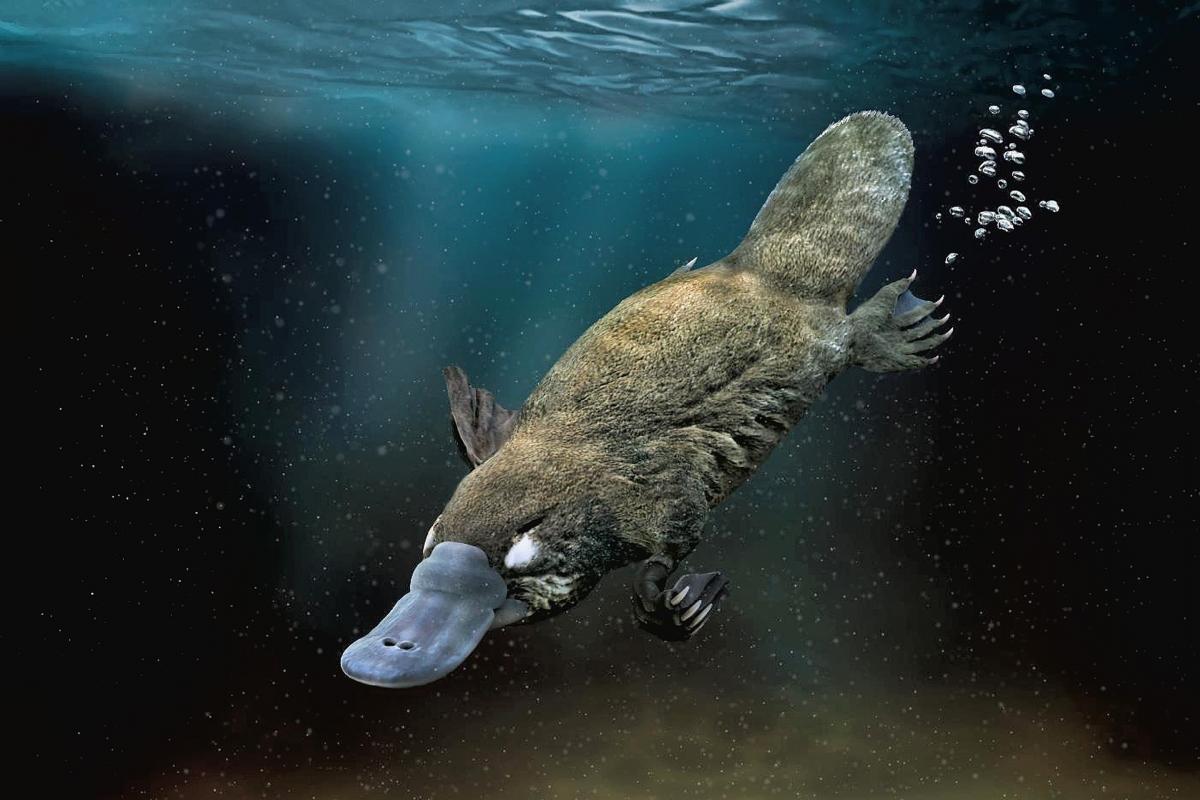
Welcome to Platypus Class 2025 - 2026
Welcome to a new year of learning where we have terms of exciting learning ahead of us. We will be investigating states of matter and how our digestive systems work to name a few of our Science units. This year in Geography we will be exploring rainforests and touring South America. In History we will be learning about the Ancient Greeks and Romans.
Our Religion & Worldviews will expand our theological thinking as we use Bibles and Qurans to study sacred texts. We will then deepen our Philosophical and Social Science learning by drawing out the key ideas and seeing how these are applied in the lives of people around the world.
We have a trip book to How Hill, for the day, in March. More details will be released closer to the time.
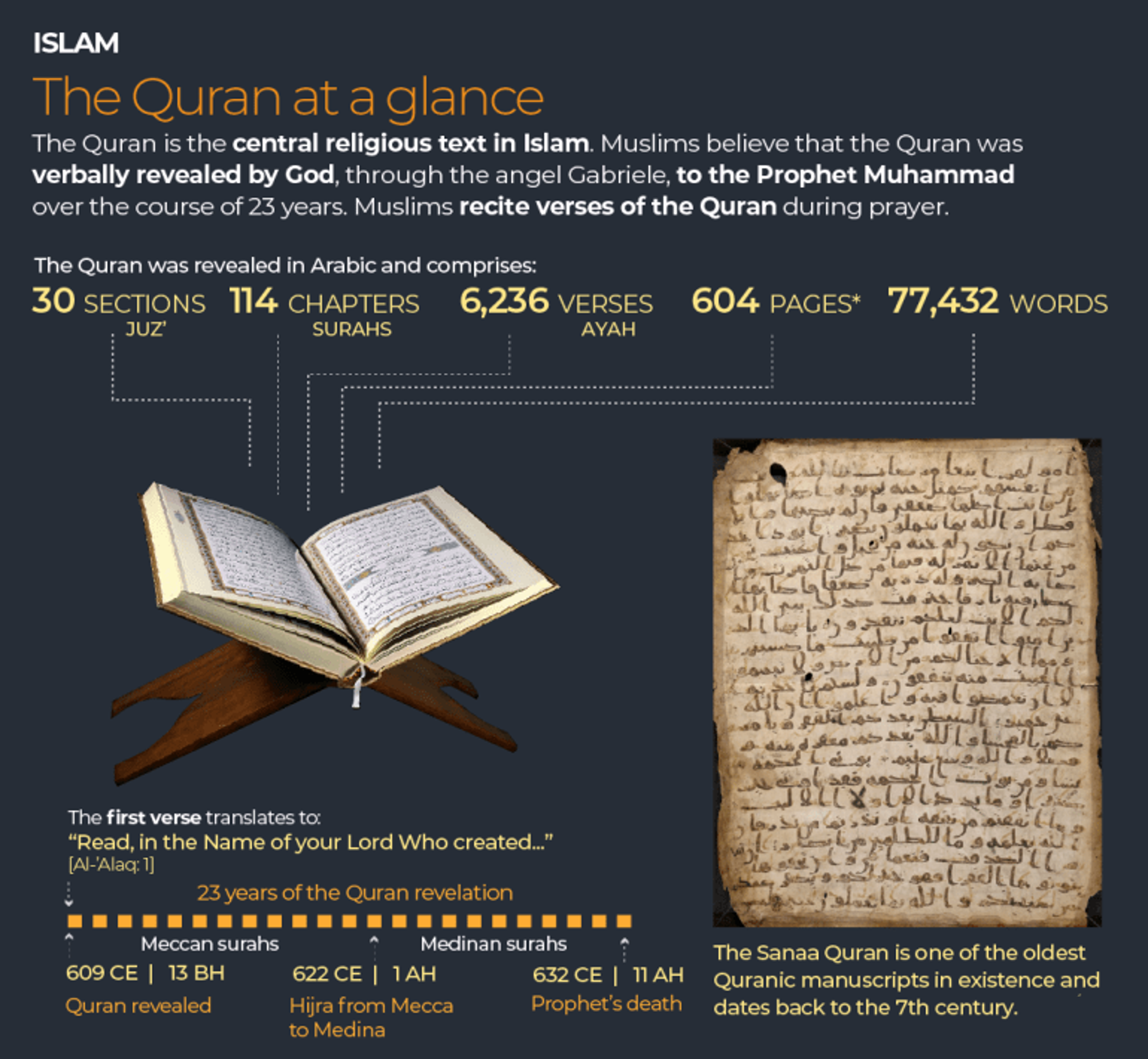
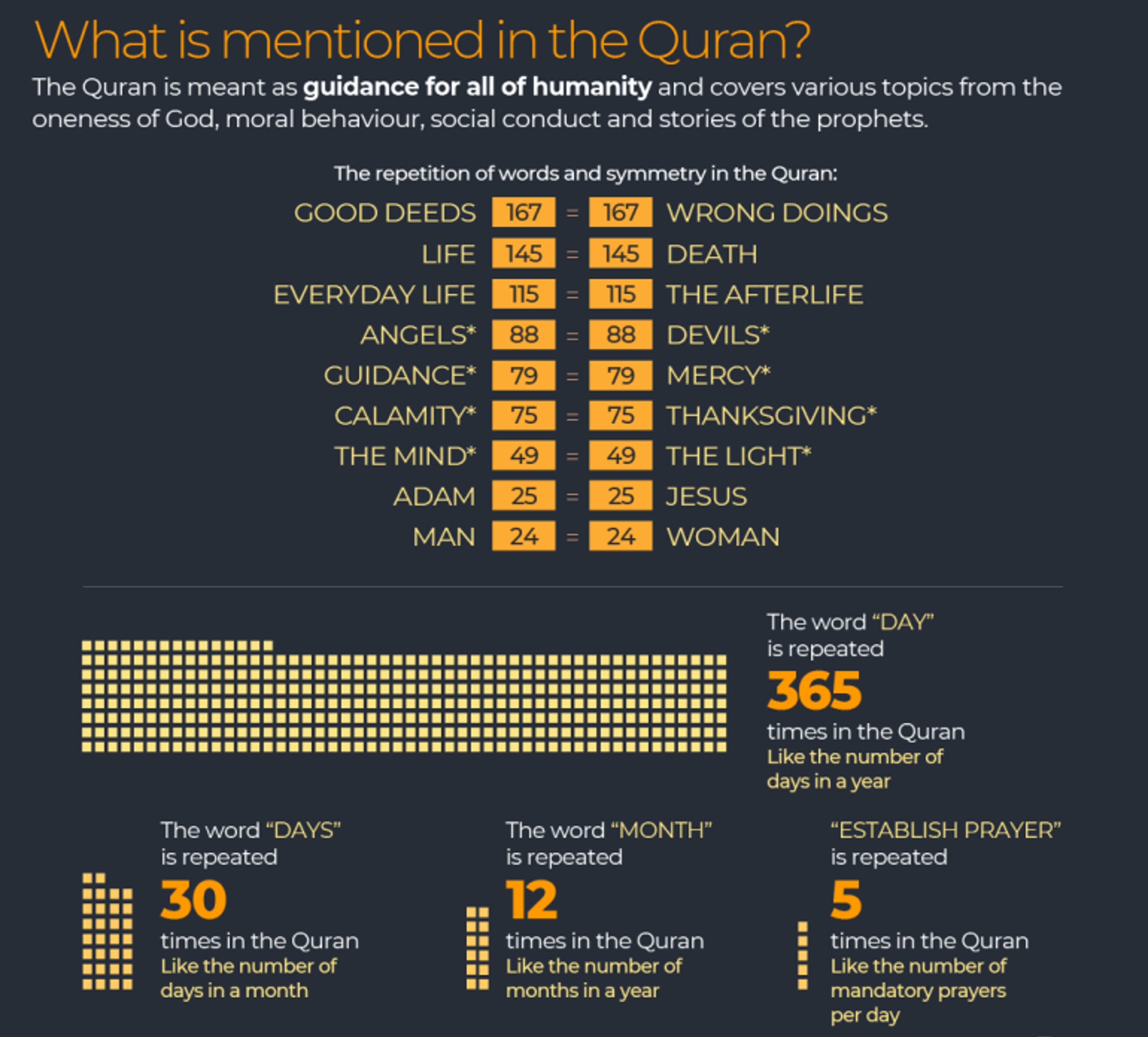
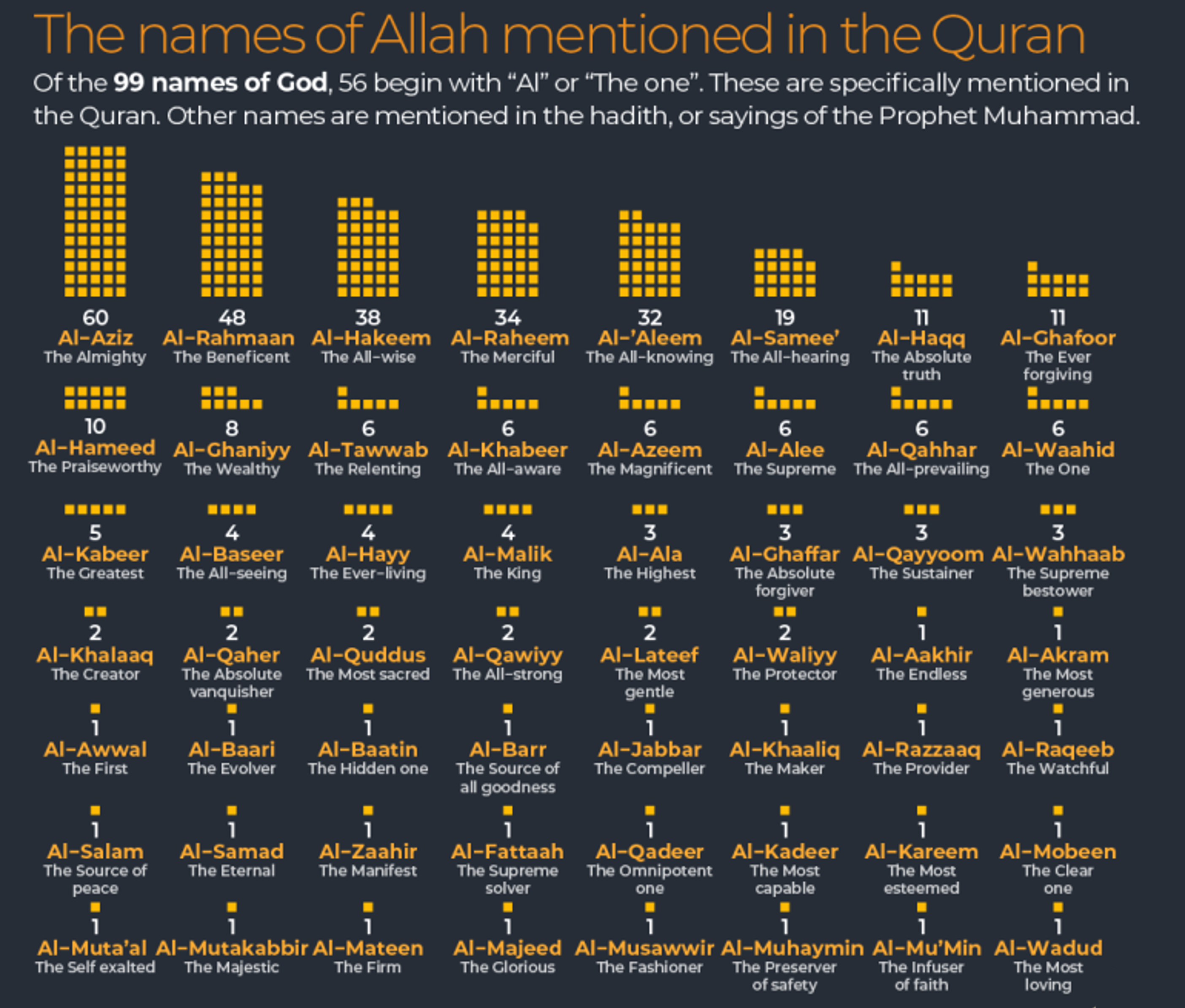
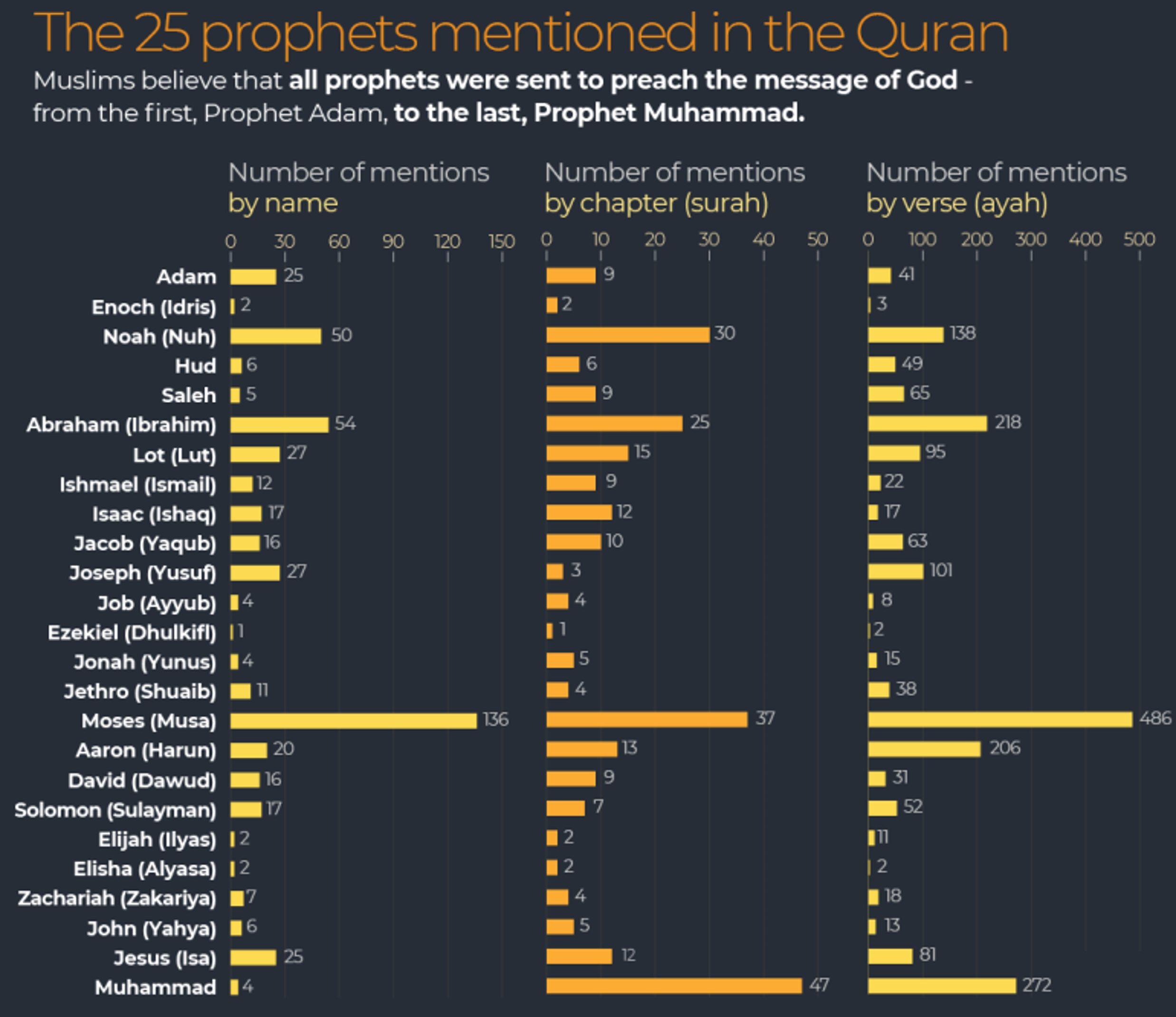
A little about the Quran
This year we will be using Qurans in our Religion & Worldview lessons alongside Bibles. The infographics below will tell you a little about how the Quran is organised and constructed.